
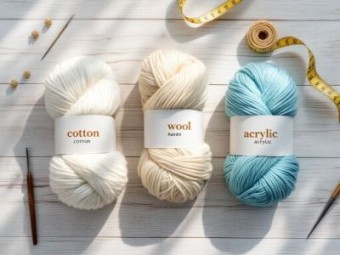
The yarn you pick can make or break your crochet project, affecting softness, strength, and care. Let’s explore cotton, wool, and acrylic with Laughing Hens yarns to find your perfect fit.
When you’re about to start a new crochet project, one of the first, and most important, decisions you’ll make is the yarn. The fibres you choose will affect how your piece feels, how durable it is, how it cares for you (and you it), and ultimately whether you’ll love the result. In this blog, we’ll compare cotton, wool and acrylic yarns, then show how some of Laughing Hens’ yarn ranges fit into the picture to help you choose the best yarn for your next project.
Why Yarn Fibre Matters
Here are some key aspects that vary by fibre, and which will influence how suitable a yarn is for a given project:
|
Property |
What to think about |
How it affects crochet |
|
Temperature & breathability |
Does the item need warmth, or should it breathe? |
Summer tops and dishcloths favour cool fibres; winter hats need insulation. |
|
Softness/drape |
How does it feel next to skin? How heavy or flowing is it? |
Delicate shawls need good drape; amigurumi needs yarn that holds shape. |
|
Durability & washing |
How often will the item be washed? How much wear will it get? |
Kitchen pieces or baby items need sturdiness and can cope with frequent washing. |
|
Allergies/skin sensitivity |
Some fibres irritate sensitive skin. |
Babies, people with skin issues prefer milder fibres. |
|
Cost & availability |
Sometimes fibre choice is limited by budget or what's in stock. |
Yarn brands such as Laughing Hens offer several options. |
Cotton: Pros and Cons
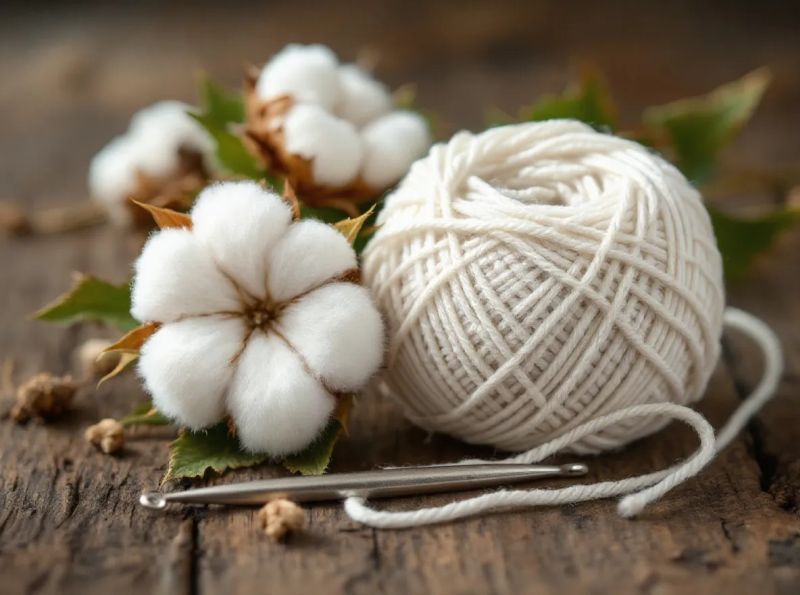
Pros:
- Breathable, cool to the touch
- Strong, durable; cotton often gets softer with washing
- Good stitch definition — your cables, lace, shells all show up well
- Usually less “itchy” than wool; good for hot climates, skin sensitivities.
Cons:
- Less elasticity: it doesn’t stretch much, so it might not “give” like wool
- Can be heavier when wet, take longer to dry
- May shrink slightly when washed improperly.
Laughing Hens’ Cotton Ranges:
Laughing Hens carries “Simply Cotton DK” in many colours.
If you’re making summer garments, dishcloths, amigurumi, or lightweight accessories such as bags, this is a strong choice. The cotton DK weight gives you good stitch definition and durability.
Daisy Crochet Cotton is a perfect choice for finer, more delicate projects such as placemats, table runners, borders and accessories. As a #10 crochet thread made from 100% Egyptian mercerised cotton, it is smooth, lustrous and has a pearl-effect finish.
Wool: Pros and Cons
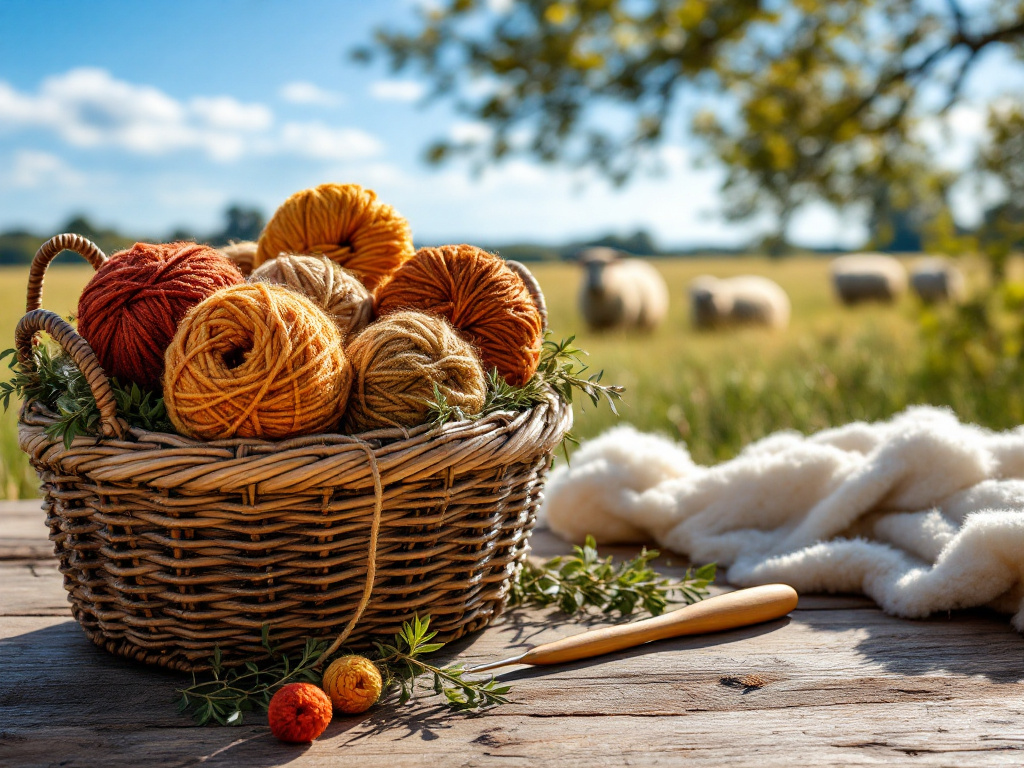
Pros:
- Excellent warmth and insulation
- Elasticity gives bounce: good for garments that need recovery (e.g., hats, socks, sweaters)
- Superwash wool options are easier to care.
Cons:
- Some types can itch or irritate skin
- Needs more care when washing (unless it’s superwash)
- Can felt/shrink if exposed to heat/agitation.
Laughing Hens’ Wool/Wool Blends:
Laughing Hens offers “Purely Merino” in DK and Aran weights.
Merino is popular wool fibre choice because it's softer, has fine fibres, so is less 'itchy' than many other wools. If you’re crocheting cold-weather accessories such as hats, mittens, cosy sweaters or blankets, wool is a natural fit.
Laughing Hens also has “Bambino Merino”, which is often favoured for baby and children pieces. This yarn is made using 100% superwash fine merino wool to ensure a gentle and cosy feel against your baby's delicate skin.
Acrylic: Pros and Cons
Pros:
- Usually cheaper than natural fibres
- Washes well and is low-maintenance; resists moths, mildew
- Wide colour ranges, possible to find very vibrant shades
Cons:
- Less breathable, can trap moisture/heat
- Less eco-friendly (unless specifically engineered or recycled)
- Doesn’t always have the same hand (feel), warmth, or drape as natural fibres.
Laughing Hens’ Acrylic Offerings:
Laughing Hens specialises in natural fibres and, therefore, only offers acrylic as a minority fibre in a blend when its presence provides a benefit. Cherub Baby Yarn is made using 70% wool and 30% acrylic. The acrylic content is important as it makes the yarn kind to delicate skin and washing-machine friendly.
If you’re working on items that need frequent washing (kids’ toys, blankets, cushions) or want budget-friendly stash options, acrylic can be very useful. It’s also a fine substitute if you love a pattern that calls for wool or cotton but need a more durable or affordable material.
Matching the Yarn to the Project
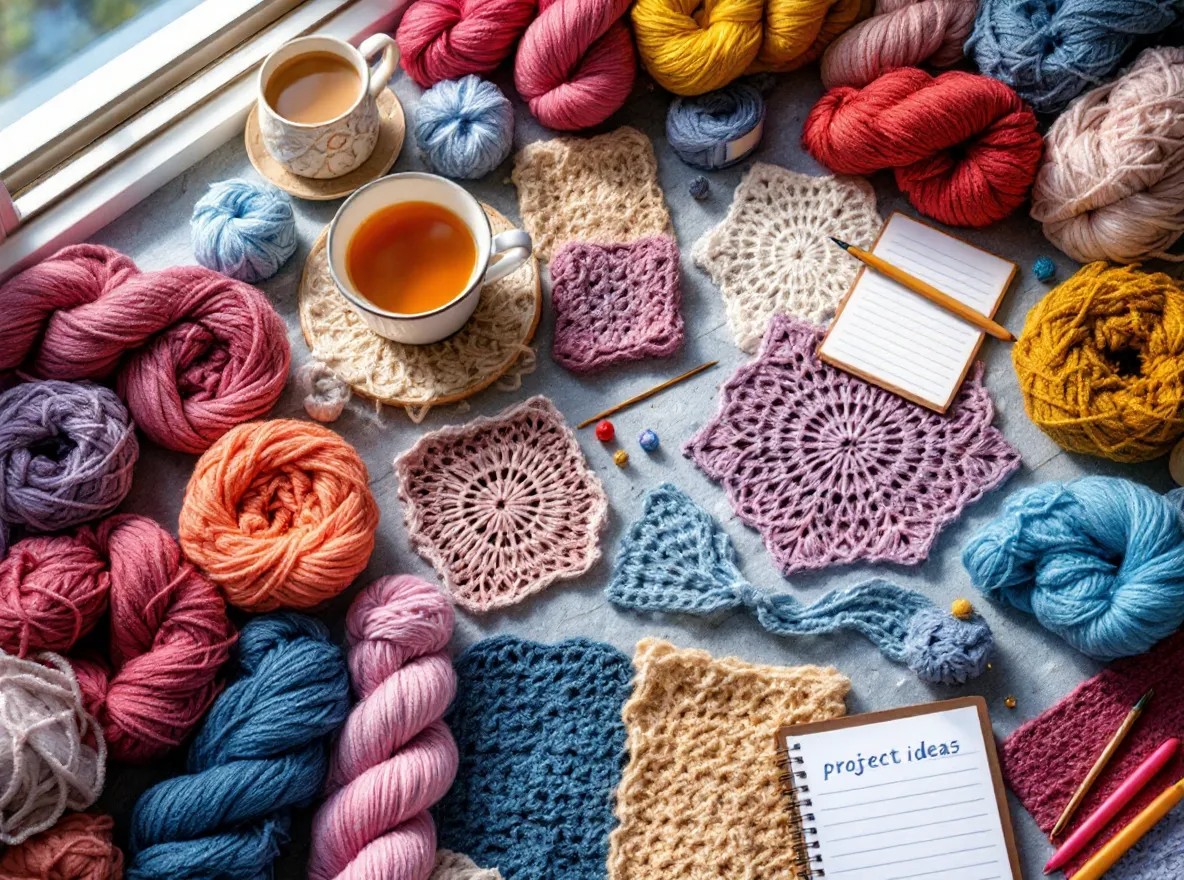
Here are suggestions for which fibre tends to work best for different types of crochet projects—within the offerings Laughing Hens has.
|
Project |
Recommended Fibre(s) |
Why |
|
Summer wear (tank tops, shawls) |
Cotton (e.g. Simply Cotton DK) |
Breathable, cool, good stitch definition, less sweaty. |
|
Baby items (blankets, booties) |
Soft wool blends or very soft acrylics |
Gentle on skin; wool gives warmth, acrylic gives easy care. |
|
Cold-weather accessories (hats, scarves, mittens) |
Wool/Merino |
Insulation; elasticity helps fit; warmth. |
|
Home items (cushions, throws) |
Wool blends or acrylics |
Resilience; easier maintenance; durability. |
|
Decorative items/wall hangings |
Cotton or cotton blends |
Holds shape; less stretch; crisp texture. |
Practical Tips for Choosing Yarn (Using Laughing Hens as a Guide)
- Swatch Before You Commit
Try a small swatch of your chosen yarn in the stitch pattern you plan to use. Fibres behave differently in different stitches (for example, a shell stitch in cotton DK may behave differently than in acrylic or wool). Click here to read about the importance of tension/gauge. - Check the Care Instructions
Laughing Hens labels will list whether yarn is machine washable, whether it’s superwash wool, etc. That’s especially important for things that will be used and washed often. - Consider Texture & Stitch Definition
If your pattern has lace work or cables, cotton or a softly spun wool will highlight them. Acrylics or loosely spun fibres may blur fine detail. - Colour & Dye Lots
Natural fibres often take dye differently. Laughing Hens’ ranges like Simply Cotton DK have good colour selection. Always get enough yarn (or same dye lot) to finish your project. - Blends are Your Friend
Some yarns blend fibres (cotton + acrylic, wool + nylon, etc.). These can combine benefits: e.g., breathability + durability, warmth + softness. Laughing Hens offers blends if pure fibres don’t meet all your needs.
Conclusion
There’s no one-size-fits-all answer to whether cotton, wool, or acrylic is the “best”, as it depends on your specific project, the end use, comfort, care needs, and budget.
If you shop at Laughing Hens, you have a good selection of each fibre:
- Cotton, for cool, breathable, crisp items (e.g., Simply Cotton DK, Daisy Crochet Cotton)
- Wool / Merino, for warmth and cosy wearables (e.g., Purely Merino Aran, Purely Merino DK, Bambino Merino)
- Acrylic, useful for lower cost, easy care or high use items (e.g., Cherub Baby Yarn).
When you match your yarn fibre to the project’s demands, you’ll be much more likely to end up with a finished piece that you love and use.
Happy crocheting!