


Blown yarns look like clouds, knit like a dream, and behave unlike anything else in your stash. Here’s what you need to know before casting on.
If you’ve spent any time browsing yarn shops, online stores, or Instagram-worthy knitting projects lately, you’ve probably noticed the buzz around blown yarns. They’re popping up everywhere – most often in aran/worsted weight – and for good reason. But what exactly are they, and what should you expect if you’re considering trying one out? Let’s break it down.
What does “blown yarn” mean?
A blown yarn is made using a clever construction technique. Instead of spinning fibres together in the traditional way, manufacturers take a fine mesh tube (often nylon or cotton) and “blow” shorter fibres such as alpaca, cashmere, or merino into it using air pressure.
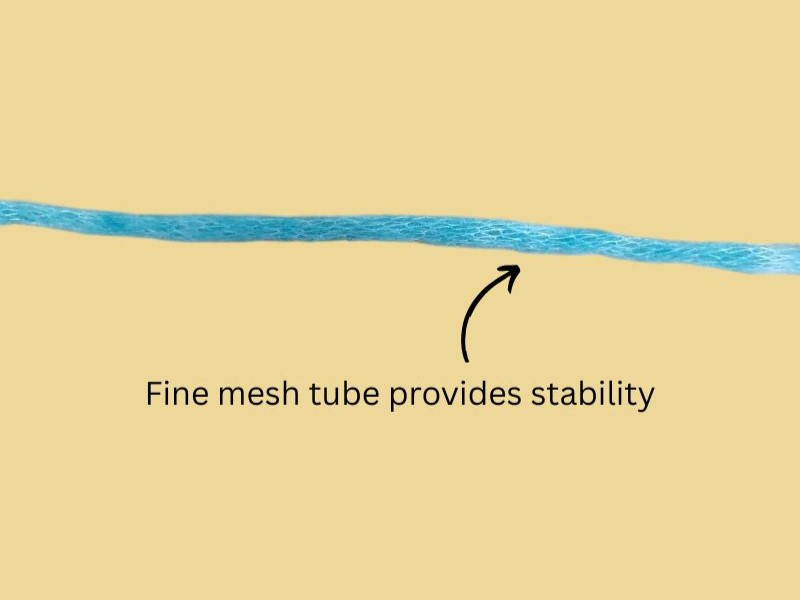
The result? A yarn that looks and feels fluffy, airy, and soft – almost like a cloud. Because the fibres are held in place by the tube rather than being tightly twisted, the yarn feels lighter than it looks, while still keeping a cosy, full-bodied appearance.
This construction changes the yarn’s properties significantly:
- Weight-to-yardage ratio: Because the blown-in fibres are mostly air, the yarn has a much lower density than it appears. A ball can look bulky yet still deliver more yardage per 50g or 100g than a spun equivalent.
- Hand-feel: The absence of a tight twist makes the yarn feel cloud-like, with a soft halo and less structure.
- Stability: The tube provides just enough anchoring to keep fibres in place without compressing them, which is why blown yarns feel lofty rather than ropey.
Will blown yarn pill or fluff with wear?
This is one of the most common questions knitters have about blown yarns … and the honest answer is ‘yes’, a little, but how much depends on the fibre blend and usage.
Because the fibres are not locked in by twist, they are freer to migrate to the surface, especially in areas that see a lot of friction (think cuffs, elbows, or underarms). This leads to two outcomes:
- Halo development: Fine fibres like alpaca or cashmere tend to bloom into a soft halo. This is often intentional and aesthetically pleasing.
- Pilling: In high-friction areas, short fibres will tangle and form pills. Merino-heavy blown yarns are particularly prone, as merino is a short, fine staple.
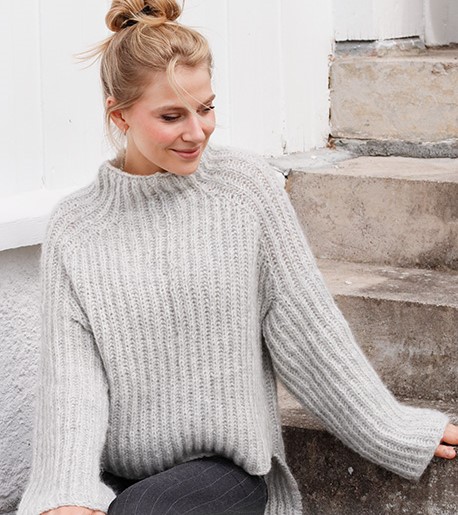
Durability is therefore best in accessories (cowls, hats, scarves) and loose-fitting sweaters. Avoid high-abrasion items such as mittens, socks, or fitted sleeves unless you’re comfortable with regular de-pilling.
A general rule:
- Longer-staple fibres (e.g. silk, certain alpaca grades) = less pilling.
- Shorter-staple fibres (merino, cashmere) = more pilling.
- Blends with synthetic tube support = slightly more durable, as the fibres are better anchored.
All things considered, many knitters love the lived-in, cosy texture blown yarns develop. And with a sweater comb or fabric shaver, you can easily manage any pills that appear. Choosing projects like loose-fitting sweaters, scarves, and hats – rather than hard-wearing socks – will also help your pieces stay looking fresh for longer.
Why is blow yarn everywhere – and usually in aran/worsted weight?
Blown yarns have exploded in popularity for a few reasons:
- Blown yarns are especially suited to heavier gauges because of their structure:
- Air-to-fibre ratio: The hollow core makes them appear bulky while staying lightweight. This illusion works best in aran/worsted weights where volume is desirable but heaviness isn’t.
- Fabric drape: At finer gauges (lace or 4ply), the fibres don’t have enough density to hold shape, leading to limp fabric. At aran/worsted weight, they produce a cushioned, stable fabric that still drapes softly.
- Comfort factor: They’re ultra-soft, with a luxurious feel thanks to alpaca or cashmere content. Perfect for garments you want to wear next to your skin.
- Big impact, less weight: Because the fibres are blown into a tube, you get a yarn that looks chunky yet is surprisingly light and breathable. That makes aran/worsted weights especially appealing as they give you snuggly sweaters and accessories that don’t feel heavy or bulky.
- Knits up quickly: Aran/worsted-weight yarns are ideal for speedy projects, so you can whip up a sweater or blanket in no time.
- Fashion trends: The last few years have favoured oversized, lofty garments. Blown yarns make those possible without creating excessively heavy clothing.
- Designers love them for their airy stitch definition, and yarn companies love offering something soft, modern, and eye-catching.
Can you frog and re-knit blown yarn?
Blown yarns are not the most forgiving to rip back. The fibres catch on each other and on the mesh tube, making frogging slower. Multiple re-knits can roughen the strand and lead to shedding.
Are blown yarns warm?
Yes – deceptively so. The air trapped between fibres makes them insulating despite their lightness. You’ll get warmth without weight, which is why they’re popular for oversized sweaters that don’t feel like armour!
How do blown yarns wash and block?
Most blown yarns are best hand-washed in cool water. The nylon/cotton tube is stable, but the blown fibres may felt slightly under agitation. Blocking doesn’t open up the fibres much – expect minimal stretch and memory. This is why tension/gauge swatches are especially important.
Final Thoughts
Blown yarns are a fascinating innovation in yarn construction. They excel at creating soft, airy garments in aran/worsted gauges, and they’ve rightly earned their popularity. Although they may not be the most durable choice for high-friction knits, they shine when used thoughtfully, especially for statement sweaters, scarves, and hats where comfort and lightness are priorities.
5 Key Takeaways
-
What they are – Blown yarns are made by blowing fibres like alpaca, cashmere, or merino into a mesh tube, creating cloud-like, airy yarn that looks bulky but feels lightweight.
-
Feel & performance – They’re soft, fluffy, and warm without heaviness, but less structured and can pill, especially in high-friction areas.
-
Best uses – Ideal for aran/worsted weight projects like sweaters, scarves, cowls, and hats where comfort, drape, and softness matter more than durability. Avoid socks or fitted, high-abrasion garments.
-
Knitting experience – They knit up quickly, give airy stitch definition, but can be tricky to frog and re-knit since fibres catch and shed.
-
Care & longevity – Hand-wash gently, expect minimal stretch when blocking, and manage pills with a sweater comb or shaver to keep garments looking fresh.
If you’re a yarn enthusiast, think of blown yarns as a specialised tool, not a universal solution, but a beautiful option for the right kind of project.